Home Window Tinting: Benefits and Guide
Comprehensive guide to home window tinting, its benefits, types, costs, and legal considerations.
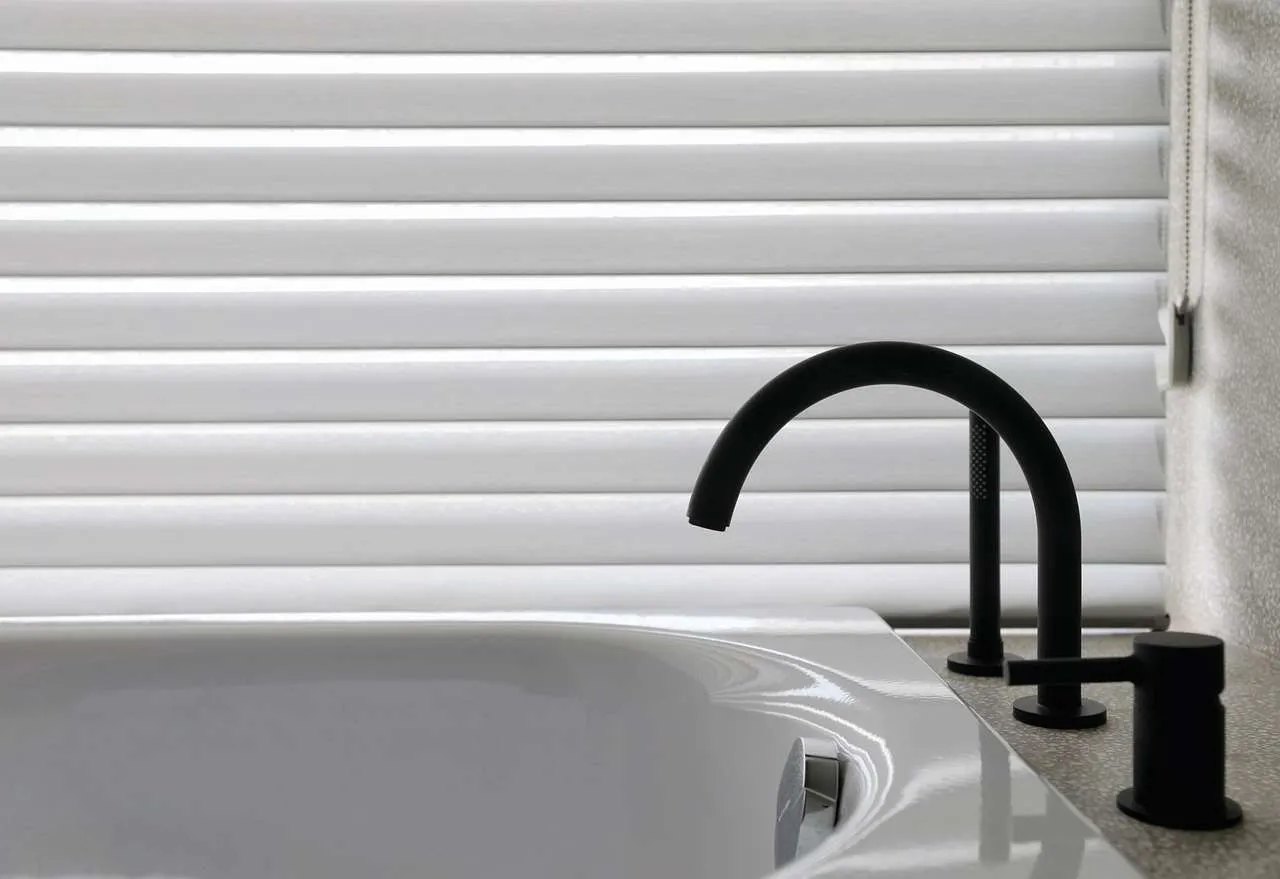
Home window tinting is a practical upgrade that modernizes living spaces by controlling heat, glare, and fading. When done correctly, it blends comfort, energy efficiency, and aesthetics while ensuring you stay compliant with local regulations. This guide walks you through benefits, types, choosing, installation options, costs, and maintenance, backed by field experience and industry standards to align with EEAT principles.
Why homeowners consider window tinting
Window tinting for homes reduces heat gain from sun exposure, lowers energy bills, preserves furniture from fading, and improves daily comfort. It also enhances privacy without sacrificing natural light and can minimize glare on screens. For many households, these benefits translate into more even indoor temperatures, fewer hot spots, and a longer lifespan for interior furnishings.
Key benefits of home window tinting
Energy efficiency and comfort
Tinted films reflect a significant portion of outside heat and reduce heat transfer through glass. This lowers cooling demand in warm months and helps maintain a consistent indoor temperature year round.
UV protection and furnishings
Most quality films block up to 99% of ultraviolet rays, slowing fading of carpets, curtains, and artworks while protecting skin from prolonged sun exposure.
Privacy and glare reduction
Tinting increases privacy during daylight hours and cuts glare on TVs and computer screens, creating more comfortable viewing and living spaces without heavy drapes.
Safety and longevity
Some films hold shattered glass together in case of impact, and modern tint options resist scratching and fading, preserving the look of your windows for years.
How window tinting works
Window films are thin, flexible layers applied to the interior surface of glass. They come in several technologies, each with distinct performance and aesthetics. The choice depends on climate, orientation, and personal preferences. Most professional installers begin with a surface cleaning and edge sealing to ensure a bubble-free finish and a lasting bond.
Types of home window tinting
Dyed window tint
Dyed films are economical and effective at reducing glare and adding color to glass. They are simple to install but may fade over time and offer moderate durability compared with higher-end solutions.
Metalized tint
Metalized films reflect heat and add strength, helping with heat rejection. They can interfere with certain electronics or sensors, and may show a noticeable reflective look from the outside.
Ceramic tint
Ceramic films deliver excellent heat rejection without reflectivity. They preserve natural color, are non conductive, and tend to have the highest durability and performance, though at a higher price point.
Carbon tint
Carbon films offer good heat absorption and a rich, non reflective appearance. They resist fading well and maintain a stable look over time.
Choosing the right tint for your home
To select wisely, consider climate, window orientation, exterior architecture, privacy needs, budget, and local regulations. Lighter tints preserve more natural light, while darker tints boost privacy and heat control. If you rely on smart home devices, discuss EMI concerns with the installer for metalized or specialty films. Always verify warranty terms and ensure the installer follows manufacturer guidelines.
DIY vs professional installation
DIY tinting can work for small windows or temporary needs, but professional installation is recommended for larger homes, curved glass, or windows with complex frames. Pros ensure precise cutting, edge sealing, and uniform adhesion, which reduces bubbling and peeling. They also handle prep work, safety, and warranty coverage, providing peace of mind for EEAT standards.
Costs, savings, and maintenance
Film costs vary by type and size. Dyed films are the most affordable, while ceramic and carbon films cost more but deliver greater long-term energy savings and durability. Typical installation ranges reflect material quality, window size, and labor, and may include removal of old film, cleaning, and re sealing. Expect maintenance to involve gentle cleaning with a non ammonia solution and a soft cloth or squeegee to prevent scratches. Periodic inspection for air leaks or edge lift helps preserve performance over time.
Table: Comparison of tint types
| Tint Type | Heat Rejection | UV Rejection | Glare Reduction | Longevity | Typical Cost per sq ft | Installation |
|---|---|---|---|---|---|---|
| Dyed | Medium | High | Medium | 5–7 years | 3–6 | Professional or DIY |
| Metalized | High | High | High | 7–10 years | 4–8 | Professional recommended |
| Ceramic | Very High | Very High | High | 12–20+ years | 6–12 | Professional |
| Carbon | High | High | Medium–High | 10–15 years | 5–9 | Professional |
When planning costs, weigh the long term energy savings alongside installation quality and warranty. Benefits such as enhanced comfort, UV protection, and protected interiors often justify the investment, especially in hot or high sun exposure regions.
Maintenance tips
Clean the film with a mild solution and a soft cloth to avoid streaks and abrasions. Do not use abrasive cleaners, ammonia based products, or rough scrubbing pads. If you notice edge lifting or bubbling, contact the installer for inspection and possible re adhesive or resealing. Regular checks help sustain performance and appearance for years.
Conclusion, home window tinting provides tangible value by improving energy efficiency, protecting interiors, and enhancing daily comfort. By selecting the right type for your climate, working with a reputable installer, and following proper maintenance, you can maximize both the performance and the aesthetics of your windows for the long term.